Lost in the Clouds: Caracas’ Secret Viewpoints You’ve Never Heard Of
High above the bustling streets of Caracas, where the air cools and the city fades into a sea of misty peaks, lie breathtaking viewpoints most travelers never discover. I wandered far beyond the tourist maps, chasing sunrises over fog-draped valleys and quiet moments on rocky outcrops with panoramic silence. These aren’t Instagram-famous spots—they’re real, raw, and unforgettable. If you’re ready to see Caracas from a whole new perspective, this journey is for you.
Beyond the Guidebooks: Redefining Caracas Through Hidden Heights
Caracas is often reduced to a single narrative—one of challenge, contrast, and complexity. International headlines tend to focus on political or economic turbulence, overshadowing the city’s natural grandeur and the quiet resilience of its people. Yet for those willing to look beyond the surface, Caracas reveals itself as a city sculpted by mountains, wrapped in cloud, and alive with untold stories. The true essence of this capital isn’t found in traffic-choked avenues or crowded plazas, but in the elevated silence just above them.
From the heights of the surrounding hills, the city transforms. The noise softens. The chaos recedes. What remains is a sweeping vista—layers of rooftops tumbling down steep slopes, highways curling like ribbons through the valley, and the ever-present silhouette of El Ávila National Park forming a green spine along the northern edge. These hidden viewpoints offer more than scenery; they offer perspective. They invite a slower, more reflective way of seeing—one that honors the beauty of place without ignoring its complexities.
Travelers who seek these vantage points are not chasing convenience. They are not following polished itineraries or guided tours. Instead, they are drawn by a deeper curiosity—a desire to connect with a city on its own terms. These moments of solitude, high above the urban hum, become acts of quiet discovery. And in that stillness, a more balanced understanding of Caracas begins to emerge—one that acknowledges hardship but also celebrates strength, beauty, and the enduring pull of nature.
The Magic of Altura: Why Elevation Changes Everything
There is a distinct shift that happens when you rise above a city. It’s not just the drop in temperature or the thinning of the air—it’s the way your mind recalibrates. In Caracas, this transformation is especially profound. At ground level, the city can feel overwhelming: loud, fast, and dense. But climb a few hundred meters, and suddenly, everything slows. The skyline spreads out like a living map, and the rhythm of life below becomes visible in a new way.
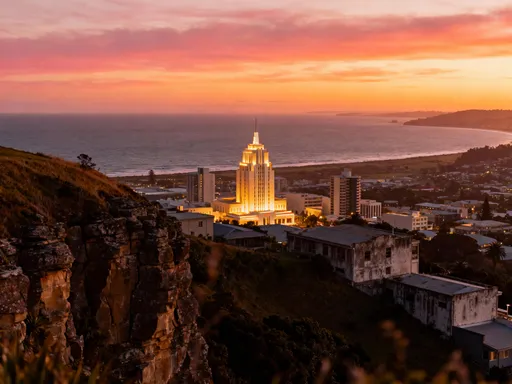
Altitude alters perception. From the high ridges that frame the valley, Caracas no longer appears as a collection of problems or pressures. Instead, it becomes a landscape—a dynamic, breathing entity shaped by geography and human effort. The morning sun paints the eastern hills in gold, then slowly creeps down into the streets. Evening brings a different magic: the gradual flicker of lights turning on across the slopes, creating a tapestry of warm glimmers against the darkening sky.
The sensory experience is equally powerful. The scent of damp earth and eucalyptus drifts on the breeze. Birdsong replaces the honking of horns. The wind carries the faint echo of distant voices, but no words are clear—just the hum of life continuing below. This is not escapism; it’s clarity. Being high above the city doesn’t erase its realities, but it does offer space to process them. It allows visitors and locals alike to appreciate Caracas not in spite of its challenges, but as a place where beauty persists in unexpected forms.
For many who make the climb, the reward is not just visual, but emotional. There is a sense of peace that comes with elevation—a feeling of being both close to the city and apart from it. In that space, new connections form: between person and place, between observer and observed, between the self and the wider world.
Hiking to Hidden Lookouts: Trails That Lead to Solitude
While El Ávila National Park offers well-maintained trails and popular access points, some of the most rewarding viewpoints lie off the beaten path—routes known more to local hikers than to guidebooks. These trails often begin at the edge of residential neighborhoods, where paved streets give way to dirt paths winding upward through dense vegetation. They are not marked with signs or tourist infrastructure, but they are well-trodden by those who live nearby and value the quiet above.
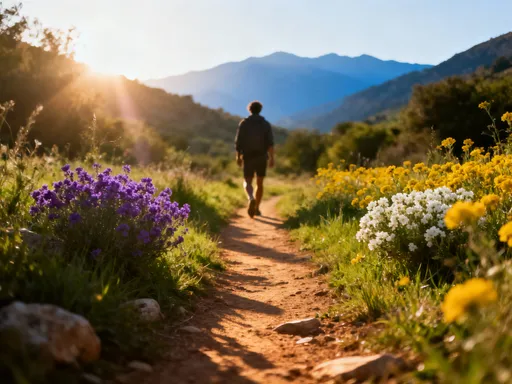
One such route starts from the upper reaches of Los Chorros, a neighborhood nestled along the southern slopes of the park. The trailhead is unassuming—a narrow opening between homes, marked only by a handmade wooden post. From there, the path climbs steadily through a canopy of trees, crossing small streams and passing clusters of wild orchids. After about 45 minutes of steady ascent, the trees thin, and the first open view appears: a sweeping panorama of the central valley, often shrouded in early morning mist.
Another lesser-known access point lies near the community of La Lagunita. This trail begins behind a small community center and follows an old service road used by park maintenance crews. It’s not steep, but the climb is long, offering gradual elevation gain with frequent opportunities to pause and take in the view. Midway up, hikers pass small terraced gardens tended by local families, where vegetables and medicinal herbs grow in neat rows. These quiet interactions—with a wave from a gardener or a shared smile—add warmth to the journey.
Safety is important when exploring these routes. It’s best to hike during daylight hours, ideally with a local companion or in a small group. Wearing sturdy footwear, carrying water, and bringing a light jacket are essential, as temperatures can drop quickly at higher elevations. A simple backpack with snacks, a fully charged phone, and a basic first-aid kit is recommended. While crime in the city is a concern in certain areas, these trails—especially when visited during peak hiking hours—are generally safe, particularly when approached with respect and awareness.
The reward for the effort is solitude. Unlike the busier entrances to El Ávila, these hidden paths rarely draw crowds. You may share the trail with a few neighbors out for an early walk or a father and child returning from a morning birdwatching trip. But for the most part, the experience is one of quiet immersion—of moving through nature at your own pace, with the city unfolding below like a living canvas.
Sunrise from the Ridge: A Moment Above the Mist
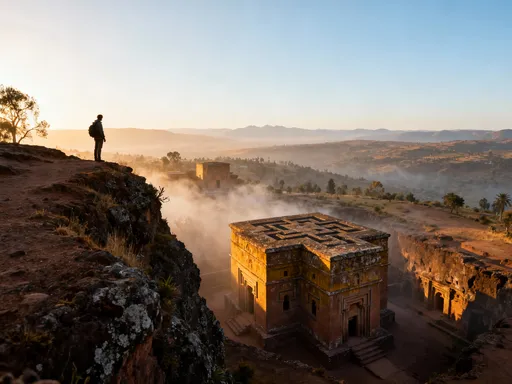
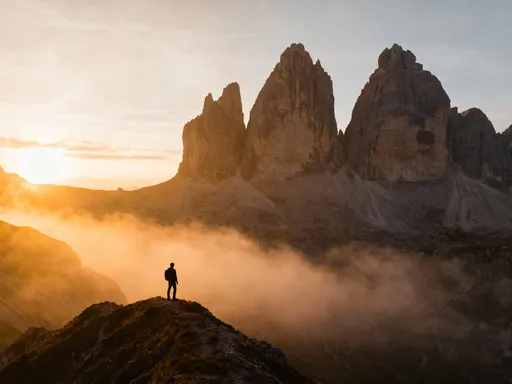
There is a particular kind of magic that comes with arriving at a high vantage point before dawn. The air is still. The world feels suspended. You stand on a rocky outcrop, wrapped in a jacket, breath visible in the cool air, waiting for the first light to break. In Caracas, this experience is unforgettable—especially when the valley below is filled with a thick blanket of clouds.
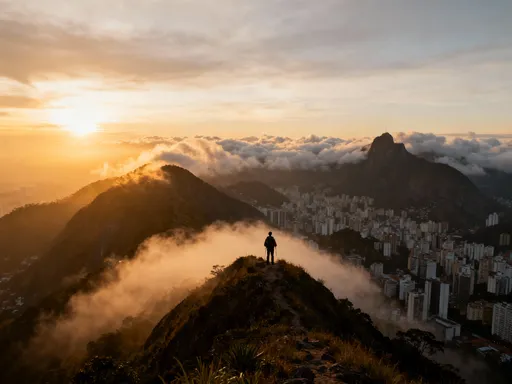
On clear mornings, the sunrise begins as a soft glow behind the eastern peaks. Then, slowly, a sliver of gold appears, spreading across the cloud layer like liquid fire. The mist begins to glow from within, transforming from gray to pink to orange. As the sun climbs, the clouds start to shift and thin, revealing patches of the city below—rooftops, streets, and the winding curves of highways slowly emerging from the veil.
One of the best places to witness this is from a ridge near the upper trail of Las Brisas. The hike takes about an hour from the nearest access point, and it’s best to start well before sunrise to allow time for the ascent. The final stretch is steep, requiring careful footing on loose stones, but the view at the top is worth every step. There is no bench, no railing—just open space and a sweeping horizon.
Patience is part of the ritual. You arrive in darkness, guided by the light of your phone or a small headlamp. You find a spot to sit, wrap yourself in warmth, and wait. The cold seeps in at first, but as the sky changes, so does your sense of time. The world feels vast and quiet. When the sun finally breaks over the mountains, the transformation is breathtaking. The entire valley ignites in golden light, and for a few minutes, everything feels new.
This is not a spectacle designed for tourists. There are no vendors, no crowds, no photo ops staged for social media. It is raw and real—a moment of natural beauty that belongs to those who make the effort to be there. And in that stillness, there is a deep sense of connection—to the earth, to the sky, and to the quiet resilience of a city that wakes up every day beneath the clouds.
Local Eyes, Higher Ground: Learning from Barrio Residents
The people who live in the hillside communities surrounding Caracas are the true stewards of these hidden viewpoints. Their homes cling to steep slopes, connected by narrow pathways and staircases carved into the earth. They know the land intimately—not as a destination, but as a part of daily life. For them, the trails are not for recreation; they are routes to school, to work, to family.
When visiting these areas, it is essential to approach with respect. These are not tourist zones, and the residents value their privacy and peace. Simple gestures—greeting neighbors, asking permission before entering certain paths, speaking in a calm and friendly tone—go a long way. Many locals are welcoming, especially when they see that visitors come with genuine interest rather than intrusion.
Some of the most beautiful viewpoints are shared only with those who build trust. A conversation with a gardener tending a hillside plot might lead to an invitation to a nearby overlook with a perfect view of the central valley. A child walking a dog might point you toward a shortcut that few outsiders know. These moments of connection are not transactions; they are exchanges of goodwill.
It is also important to recognize the challenges these communities face—limited access to services, vulnerability to landslides during heavy rains, and the ongoing effort to maintain stability in difficult conditions. Visitors should never take photos of homes or people without permission, and should avoid making assumptions about life in these neighborhoods. The goal is not to document poverty or hardship, but to appreciate the strength and beauty of communities that live in harmony with a demanding landscape.
By engaging with local residents as neighbors rather than spectators, travelers gain more than directions—they gain insight. They learn how to move through the hills with care, how to read the weather, and how to find peace in places others might overlook. And in return, they honor the dignity of those who call these heights home.
Photography Tips for Capturing Caracas from Above
You don’t need professional equipment to capture the beauty of Caracas from its hidden viewpoints. Modern smartphones are capable of stunning landscape photography, especially when used with intention. The key is understanding the unique conditions of high-altitude shooting—changing light, fog, and strong contrasts between shadow and brightness.
One of the biggest challenges is glare. In the early morning, the sun rises directly over the eastern hills, creating intense reflections off the clouds. To manage this, use your hand or a small piece of cardboard to shade the lens. Many phones also allow you to tap the screen to set focus and exposure separately—tap on the sky to darken the image slightly and preserve cloud detail.
Fog can be both an obstacle and an opportunity. While it may obscure the full cityscape, it also adds mystery and depth. Use it to create layers in your composition—foreground rocks, mid-level mist, and distant peaks fading into white. Zooming in (digitally, if necessary) can help isolate these elements and create a more dramatic effect.
For sunrise shots, stability is crucial. Even slight hand movements can blur the image in low light. Rest your phone on a rock or use a small portable tripod. If your phone has a timer function, use a 3- or 5-second delay to avoid shaking when you press the button.
Composition matters. Try to include a strong foreground element—a boulder, a tree branch, or a section of trail—to give a sense of scale and depth. The rule of thirds works well here: position the horizon line either one-third from the top or bottom of the frame. And don’t be afraid to take multiple shots—light changes quickly at dawn, and each minute brings a new mood.
Finally, resist the urge to over-edit. While filters can enhance contrast or warmth, they can also strip away authenticity. The goal is not perfection, but memory. A slightly grainy photo of mist rolling over the city at sunrise carries more truth than a heavily processed image. Let the moment speak for itself.
Preserving the View: Sustainable Exploration in Fragile Spaces
These hidden viewpoints are not infinite. They exist in a delicate balance—shaped by nature, maintained by local communities, and increasingly visited by curious travelers. With growing interest in urban hiking and nature-based tourism, the need for responsible exploration has never been greater.
The principles are simple but vital: leave no trace, stay on established paths, and avoid disturbing the natural environment. Do not carve names into rocks, light fires, or remove plants. Carry out all trash, including food wrappers and biodegradable items like fruit peels, which can attract animals and disrupt local ecosystems.
Stay on the trail, especially on steep or eroded slopes. Cutting switchbacks may seem harmless, but it accelerates soil loss and damages vegetation. Over time, this can lead to landslides—particularly dangerous in areas where homes are built on unstable ground. Respecting the path is not just about preservation; it’s about safety and solidarity with those who live nearby.
Be mindful of noise and group size. These spaces are valued for their quiet. Large groups, loud music, or amplified voices can disrupt the peace that residents and hikers alike come to enjoy. Keep conversations gentle and movements calm. Remember, you are a guest in a shared landscape.
Finally, share these places wisely. While it’s natural to want to show others the beauty you’ve discovered, avoid posting exact GPS coordinates or detailed instructions that could lead to overcrowding. Let word of mouth and personal experience guide others, rather than turning hidden gems into viral destinations. The goal is not fame, but preservation.
Caracas’ secret viewpoints are not meant to be conquered or claimed. They are meant to be experienced—with humility, with care, and with gratitude. By protecting these spaces, we ensure they remain wild, quiet, and available for future generations of explorers. And in doing so, we honor not just the beauty of the city, but the quiet strength of those who call it home.