You Won’t Believe What I Found Shopping in Bandung
Bandung isn’t just about cool air and volcanic views—its shopping scene is absolutely mind-blowing. I went looking for souvenirs and left with closet-worthy hauls, local designer gems, and stories to tell. From bustling street markets to hidden boutiques, the city blends tradition, trend, and bargain magic. If you think Indonesian shopping stops at Bali, think again—this is next-level retail therapy, authentic and unforgettable.
Why Bandung? The City’s Unique Shopping Identity
Bandung stands out as a cultural and creative epicenter within Indonesia, especially when it comes to fashion and retail. Nestled in the highlands of West Java at over 700 meters above sea level, the city enjoys a mild climate that complements its vibrant street life and open-air shopping culture. But more than geography, it’s the youthful energy—fueled by dozens of universities and art schools—that gives Bandung its distinctive edge. Students, designers, and entrepreneurs converge here, turning sidewalks into runways and markets into laboratories of style.
The city has long been recognized as Indonesia’s textile capital, with roots tracing back to the Dutch colonial era when textile mills first emerged along the Cikapundung River. Today, that legacy lives on in the form of small workshops, dye houses, and family-run fabric stores that line the backstreets of the city. Unlike Jakarta’s glitzy malls or Bali’s beachy boutiques, Bandung offers something more grounded: a dynamic fusion of tradition and innovation where affordability meets originality. Locals proudly refer to it as the "Paris of Java," not for grand boulevards, but for its flair, creativity, and accessibility.
What truly sets Bandung apart is how integrated shopping is into daily life. For residents, browsing outlets or haggling at markets isn’t just leisure—it’s a weekend ritual, a social event, and often a family outing. Regional tourists from Malaysia, Singapore, and other parts of Indonesia regularly make short trips specifically for shopping sprees. With prices significantly lower than in major metropolitan areas, yet quality that rivals international standards, Bandung has earned its reputation as a fashion mecca for value-conscious and style-savvy shoppers alike.
Factory Outlets: Where Brands Meet Bargains
No visit to Bandung is complete without exploring its legendary factory outlets—retail spaces where local brands sell directly to consumers, cutting out middlemen and offering deep discounts. Riau Street, often called "Riau Walk" by visitors, is the epicenter of this phenomenon. Stretching several blocks through the heart of the city, it’s lined with multi-story outlet stores, each one packed with clothing, bags, shoes, and accessories. Nearby, the Setiabudi area—commonly known as Dago—hosts a similar cluster of outlets tucked into quieter lanes, offering a slightly more relaxed pace without sacrificing selection.
These outlets carry a mix of well-known domestic labels and brands that mimic international styles while maintaining local character. You’ll find everything from tailored blazers and linen shirts to trendy athleisure wear and children’s fashion—all priced between 30% and 70% below what you’d pay in Jakarta or international markets. A high-quality cotton dress might cost under $15, while leather sandals from local artisans can be found for around $20. Many items are made in nearby factories, meaning you’re often buying straight from the source, sometimes even before pieces hit broader retail chains.
The thrill lies in the hunt. Stores are densely packed, displays change frequently, and restocks often happen early in the week, making Tuesday through Thursday ideal for fresh finds. Bargaining is generally not expected in official outlets—prices are already discounted—but friendly negotiation may still work in smaller, independent shops nearby. It’s also common for stores to offer additional discounts for bulk purchases, so buying two or three items can unlock further savings. Cash remains king, though some larger outlets now accept debit and credit cards.
One key tip: come prepared with a list of what you need. With so many options, it’s easy to get overwhelmed or distracted by impulse buys. Focus on versatile pieces—neutral tones, classic cuts, breathable fabrics—that can transition across seasons and occasions. And don’t forget to check stitching, zippers, and fabric quality before purchasing; while most goods are excellent, slight imperfections can occasionally slip through.
Traditional Markets: Culture in Every Purchase
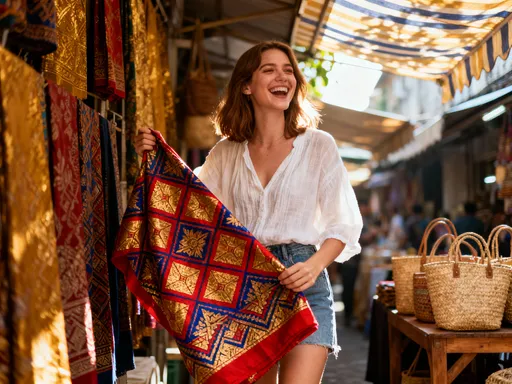
For a deeper connection to local life, traditional markets like Pasar Baru and Pasar Kosambi offer an immersive experience unlike any mall or outlet. These centuries-old bazaars are sensory feasts—alive with color, sound, and movement. At Pasar Baru, one of the oldest markets in Bandung, narrow aisles are flanked by towering stacks of fabric, rolls of batik, and displays of traditional Sundanese clothing. Vendors call out greetings in Sundanese and Indonesian, offering samples of woven cloth or helping customers drape scarves just right.
The authenticity here is unmatched. While outlets focus on modern fashion, these markets preserve Indonesia’s rich textile heritage. Batik, with its intricate hand-drawn wax-resist patterns, is a standout, but you’ll also find songket (gold-threaded woven fabric), ikat (tie-dyed textiles), and ulos from other regions sold alongside locally made pieces. Beyond fabric, the markets offer handcrafted leather goods, wooden souvenirs, and traditional accessories like dodot (ceremonial sashes) and angklung-inspired jewelry.
Pasar Kosambi, located near the train station, has a more local, everyday feel. It’s where residents come to shop for household items, snacks, and fresh produce—but fashion lovers will delight in the hidden corners selling vintage clothing, secondhand international brands, and custom tailoring services. For around $10–$20, a tailor can alter a garment or create a simple piece from fabric you select, giving you a truly personalized souvenir.
Navigating these markets requires awareness and respect. Crowds can be dense, especially on weekends and holidays, so keep your bag secure and avoid displaying valuables. Bargaining is expected and part of the cultural exchange—start by offering around 50% of the initial price and work your way up with a smile. Most vendors appreciate polite haggling and may even offer tea or snacks if the conversation flows. Remember, these interactions aren’t just transactions; they’re moments of human connection that enrich the travel experience.
Boutiques & Local Designers: Hidden Fashion Gems
Above the buzz of markets and outlets, Bandung’s boutique scene reveals another layer of its fashion identity—one defined by craftsmanship, sustainability, and artistic vision. Neighborhoods like Dago, Braga, and Asia-Afrika are dotted with small ateliers, concept stores, and designer studios that showcase the work of emerging Sundanese creatives. These spaces are often tucked away on upper floors or behind unassuming facades, waiting to be discovered by curious shoppers.
What makes these boutiques special is their commitment to originality. Many designers draw inspiration from local culture—reinterpreting traditional motifs like tumpal (triangular patterns) or parang (diagonal lines) into modern silhouettes. Fabrics are often sourced ethically, with organic cotton, bamboo fiber, and natural dyes used to create breathable, eco-conscious clothing. Some labels specialize in zero-waste design, ensuring every scrap of material is repurposed into accessories or patchwork pieces.
Stores like those found along Braga Street blend historical charm with contemporary curation. Once a colonial-era promenade, Braga now hosts a mix of restored heritage buildings housing art galleries, cafes, and fashion boutiques. Here, you might find a minimalist dress made from recycled batik, a hand-embroidered jacket inspired by mountain landscapes, or a linen tote bag printed with calligraphy from old Sundanese poetry. Prices are higher than in outlets—ranging from $25 to $100—but reflect the time, skill, and intention behind each piece.
Supporting these designers does more than yield a unique wardrobe addition—it strengthens local creative economies and preserves cultural narratives. Many boutiques welcome visitors to meet the designers or view small workshops in action, offering a rare glimpse into the making process. For travelers seeking meaningful souvenirs, these pieces carry stories far beyond their stitches: tales of heritage, innovation, and quiet resilience in a fast-fashion world.
Street Vendors & Pop-Ups: The Pulse of Everyday Shopping
To feel the rhythm of Bandung’s everyday life, there’s no better place than its street-level retail scenes. Night markets, sidewalk stalls, and weekend pop-ups pulse with energy, particularly in areas like Cihampelas Walk (commonly called “Ciwalk”) and around Alun-Alun Bandung, the city’s central square. These informal spaces are where youth culture, digital trends, and entrepreneurial spirit collide.
Ciwalk, a pedestrian-friendly zone flanked by shops and restaurants, transforms in the evenings into a lively hub of pop-up vendors. You’ll find everything from phone cases printed with local slang to hand-painted tote bags, quirky socks featuring Javanese wayang characters, and handmade jewelry made from recycled materials. Snack stalls sell mochi filled with cheese or pandan-flavored drinks in reusable cups, adding to the festive atmosphere. On weekends, live music and dance performances draw even larger crowds, turning shopping into a full sensory celebration.
Alun-Alun Bandung hosts rotating market events, often themed around holidays, sustainability, or local crafts. One week might feature eco-friendly products from student startups; the next could highlight traditional snacks or handmade toys. These events are especially popular with families, who come not just to shop but to enjoy the open space, street food, and community vibe. Vendors are often young entrepreneurs testing new ideas, making these markets a barometer for emerging trends.
What’s remarkable is how accessible and inclusive these spaces are. Unlike formal retail environments, street vendors welcome conversation, often sharing the story behind their products or demonstrating how they’re made. A teenager selling crocheted keychains might explain she learned the craft from her grandmother; a college student offering natural skincare products might talk about sourcing ingredients from nearby farms. These interactions foster a sense of trust and authenticity that’s hard to replicate elsewhere.
Practical Tips: Maximizing Your Shopping Experience
To make the most of your time in Bandung, a little planning goes a long way. First, consider your budget and payment methods. While many outlets and malls accept cards, street vendors, traditional markets, and small boutiques operate almost exclusively on cash. It’s wise to carry Indonesian rupiah in various denominations—small bills for snacks and tips, larger ones for bigger purchases. ATMs are widely available, but avoid using standalone machines in isolated areas for safety.
When it comes to bargaining, politeness is key. In markets and informal settings, starting at half the quoted price is standard, but always negotiate with a smile and a friendly tone. Avoid aggressive haggling—it can offend vendors who rely on these sales for their livelihood. If a price feels fair, accept it graciously. Many locals appreciate foreign visitors who show respect and curiosity about their work.
Be mindful of counterfeit goods. While some outlets sell inspired designs, others may offer knock-offs of international brands. If a price seems too good to be true—like a designer handbag for $30—it likely is. Stick to reputable stores or those recommended by trusted sources to ensure authenticity and ethical production.
Packing and transporting purchases also requires thought. Delicate fabrics, glass items, or large quantities of clothing should be wrapped carefully. Some boutiques offer gift wrapping or shipping services, which can be convenient for fragile or bulky items. For those on tight luggage limits, consider wearing heavier items on the flight home or using local courier services like JNE or SiCepat to send packages ahead.
Transportation between shopping districts is easiest via ride-hailing apps like Grab or Gojek, which are reliable, affordable, and available throughout the city. Alternatively, hiring a private driver for a full-day tour allows you to cover more ground comfortably, especially if visiting multiple areas like Riau Street, Dago, and Pasar Baru in one trip. Traffic can be heavy during midday, so plan morning or late afternoon outings for smoother travel.
Beyond the Bag: Why Shopping Here Feels Different
Shopping in Bandung is about more than acquiring things—it’s about connection. Each purchase carries a thread of story, whether it’s the artisan who hand-stitched a batik scarf, the young designer who reimagined a traditional pattern, or the vendor who shared a laugh during a friendly negotiation. These moments transform shopping from mere consumption into a form of cultural engagement.
In a world where fast fashion dominates and retail experiences feel increasingly generic, Bandung offers something rare: authenticity, creativity, and heart. The city doesn’t just sell clothes and crafts—it shares its identity. To walk its streets is to witness how tradition and modernity coexist, how youth and elders collaborate, and how local pride shapes every display, every stitch, every smile.
For the thoughtful traveler—especially women between 30 and 55 who value quality, meaning, and personal expression—Bandung’s shopping culture resonates on a deeper level. It’s not about filling a closet, but about curating a collection of memories, each piece tied to a moment, a person, a place. It’s retail therapy with soul.
So when you visit, shop mindfully. Ask questions. Learn names. Support small makers. Let the city guide you not just to what you need, but to what you didn’t know you were looking for. Because in Bandung, the best finds aren’t just in the bags you carry—they’re in the stories you bring home.