You Won't Believe These Hidden Photo Spots in Corfu's Public Spaces
Wandering through Corfu, I stumbled upon public spaces that felt like secret sets waiting for a photoshoot. From sunlit squares to seaside staircases, each spot blends local life with raw beauty. This isn’t just about taking pictures—it’s about capturing moments where architecture, light, and culture collide. If you're chasing authentic visuals beyond the postcard views, Corfu’s underrated corners will blow you away. These are not staged backdrops but living environments where daily routines unfold under golden light and cobalt skies. With its Venetian, French, and British influences layered into centuries-old streets, Corfu offers a visual feast for those willing to look beyond guidebook highlights. The island’s true photographic soul lies not in crowded viewpoints but in the quiet pulse of its public life.
The Heartbeat of Corfu: Public Spaces as Living Canvases
Corfu’s charm does not reside solely in its beaches or ancient ruins but in the rhythm of its public spaces—where children play football on cobblestone plazas, elders sip coffee beneath plane trees, and fishermen mend nets by dawn light. These areas are not static monuments; they are dynamic stages where culture performs naturally. Unlike curated tourist attractions, public squares, promenades, and alleyways offer unscripted authenticity. Photographers who embrace these spaces gain access to real moments—laughter over shared meals, the flutter of laundry in sea breezes, and sunlight filtering through wrought-iron balconies. It is this blend of spontaneity and beauty that transforms an ordinary snapshot into a lasting narrative.
What makes these locations so compelling is their layered history and ongoing function. Spianada Square, for instance, once hosted military parades and now serves as a community hub for walkers, cyclists, and chess players. The shift from historical use to modern-day leisure creates a rich visual contrast—neoclassical facades frame picnicking families, while pigeons flutter between statues of philosophers and game boards. Timing is essential here; early mornings reveal mist rising off the grass, while late afternoons bathe the space in warm, directional light ideal for long shadows and soft highlights. Photographers should approach these scenes with patience, allowing stories to unfold rather than forcing compositions.
Additionally, the interplay between architecture and human activity provides endless creative opportunities. A lone figure walking across an expansive lawn becomes a study in scale and solitude, while a group dancing at a local festival injects motion and color into a formal urban layout. These contrasts—between stillness and movement, tradition and modernity—are what give Corfu’s public spaces their photographic depth. By treating each location as a living canvas, photographers can capture not just places, but the essence of island life.
Spianada Square: Where History Meets the Lens
As Corfu’s largest public square, Spianada serves as both a historical landmark and a vibrant social space. Flanked by the Old Fortress on one side and the Palace of St. Michael and St. George on the other, the square stretches across lush green lawns bordered by symmetrical pathways and palm-lined promenades. Its design, inspired by European urban planning, reflects the island’s complex colonial past while providing a harmonious setting for photography. The balance of open space and architectural framing allows for diverse compositions—from wide-angle panoramas that capture the full sweep of the landscape to tighter shots focusing on details like engraved stone balustrades or weathered wooden benches.
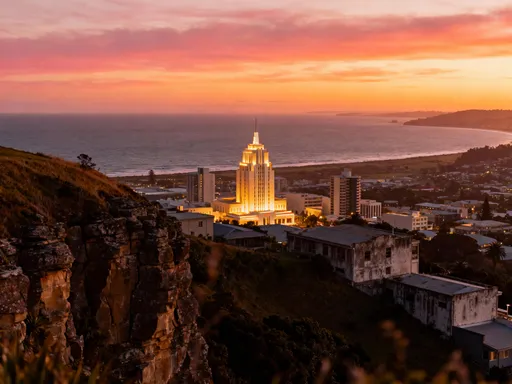
Golden hour transforms Spianada into a dreamlike environment. During sunrise, soft light spills over the fortress walls, casting long shadows across the dew-covered grass. At sunset, the warm glow reflects off the pale stone of the palace, creating a golden halo around the entire square. This is the optimal time to use a tripod for low-light clarity or to experiment with silhouettes against the fading sky. Photographers can position themselves near the central bandstand to capture both the symmetry of the space and the movement of people strolling along the pathways. A wide-angle lens enhances the sense of scale, while a telephoto lens isolates distant figures against dramatic backdrops.
Equally important is observing how locals interact with the space. Morning joggers, couples sharing coffee at outdoor cafés, and elderly men playing backgammon offer candid storytelling opportunities. Rather than disrupting these moments, photographers should blend into the environment, using natural cover like trees or benches to remain unobtrusive. Waiting for repetitive actions—such as a child kicking a ball or a vendor setting up a stall—allows for better anticipation and framing. The key is to document life as it happens, not to stage it. In doing so, images from Spianada become more than postcard views—they become visual diaries of community and continuity.
Liston Promenade: Elegance in Every Frame
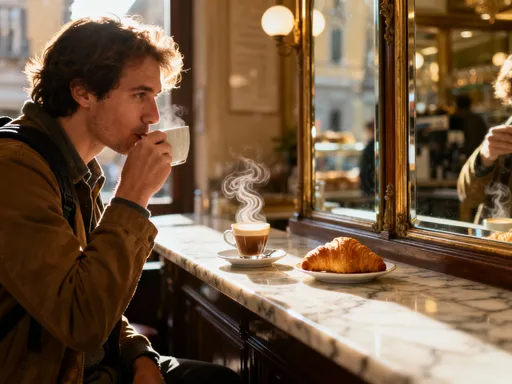
Running parallel to Spianada Square, the Liston Promenade is one of Corfu’s most iconic yet subtly photogenic spaces. Built during the French occupation in the early 19th century, this arcaded walkway features pastel-colored buildings with arched colonnades, elegant wrought-iron railings, and shaded outdoor seating. The architecture echoes Parisian boulevards, yet the atmosphere remains distinctly Greek—lively, relaxed, and infused with the aroma of espresso and fresh pastries. The Liston is not merely decorative; it functions as a social spine where locals meet, tourists pause, and time seems to slow beneath the cool shadow of its vaulted arches.
From a photographic standpoint, the Liston offers exceptional opportunities for playing with light and shadow. The alternating pattern of solid wall and open arch creates a rhythmic sequence of highlights and darkness, ideal for black-and-white photography or high-contrast edits. Early in the morning, when the sun skims the length of the promenade, beams slice through the arches, illuminating patches of pavement and casting geometric patterns on the ground. This interplay can be captured using a narrow aperture (f/8 to f/11) to maintain sharpness across multiple planes, emphasizing depth and structure.
Portraits thrive here due to the natural framing provided by the arches. A person seated at a café table appears nestled within a living vignette, framed by stone columns and soft bokeh from the background. Using a prime lens with a focal length of 50mm or 85mm allows for flattering compression and shallow depth of field, drawing attention to facial expressions and subtle gestures. Meanwhile, macro photographers can focus on smaller details—peeling paint on wooden doors, brass door knockers shaped like lions’ heads, or the delicate lace curtains behind glass windows. These textures tell silent stories of age, care, and continuity.
Despite its popularity, the Liston retains an air of elegance that resists chaos. Even during peak hours, there is an inherent order to the scene—chairs aligned, waiters moving with quiet efficiency, conversations held in hushed tones. This calm energy makes it easier to compose deliberate shots without visual clutter. For those seeking authenticity, photographing the space just before opening or after closing reveals a different mood: empty tables under dimmed lights, reflections on polished floors, and the quiet anticipation of another day. These transitional moments often yield the most poetic images.
Old Town Alleys: Unexpected Compositions in Plain Sight
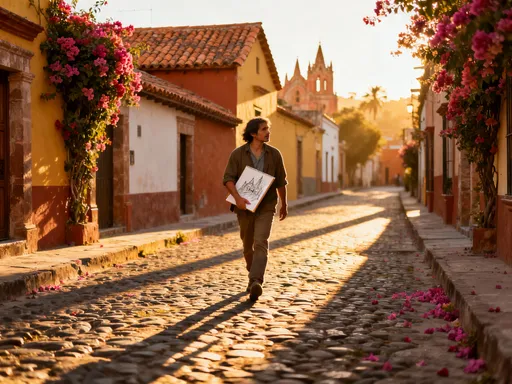
Winding through Corfu Town’s UNESCO World Heritage-listed Old Town, the narrow alleys known as *kantounia* are a treasure trove for photographers. These intimate passageways, some barely wide enough for two people to pass, are lined with centuries-old buildings featuring peeling stucco, brightly painted shutters, and flower-filled window boxes. Clotheslines strung between balconies add a human touch, fluttering like flags in the breeze. Unlike grand monuments, these alleys do not announce their beauty—they reveal it gradually, through texture, light, and surprise. A sudden splash of bougainvillea against a whitewashed wall, a cat perched on a stone ledge, or a shaft of sunlight piercing a tunnel-like corridor can turn an ordinary walk into a visual revelation.
The confined nature of these streets makes them perfect for smartphone photography. Limited space restricts wide-angle distortion, while natural framing—doorways, arches, overhanging eaves—creates built-in composition guides. The iPhone or Android camera’s portrait mode excels here, simulating shallow depth of field to isolate subjects like a single potted plant or a weathered door knocker. Natural light filters down from above, creating soft top lighting that enhances color and reduces harsh contrast. For DSLR users, a 35mm lens is ideal for capturing both context and detail without requiring excessive backing up.
Timing matters even in these hidden lanes. Midday sun can create stark contrasts, turning entrances into black voids and walls into overexposed whites. The best light occurs in the late afternoon, when the sun angles into the alley mouths, illuminating one side while leaving the other in soft shadow. This chiaroscuro effect adds drama and dimension to images. Rainy days also present unique opportunities—wet cobblestones mirror colors and lights, turning the alleys into shimmering tunnels of reflection. Even footprints in puddles can become compelling foreground elements.
Because these alleys are residential, discretion is crucial. Residents live behind those colorful doors, and privacy must be respected. Avoid pointing cameras directly into homes or courtyards. Instead, focus on architectural details, textures, and ambient scenes—shoes by a doorstep, a basket hanging from a hook, or sunlight hitting a metal gate. These quiet moments convey life without intrusion. Over time, photographers learn to see the poetry in the mundane, discovering that beauty often hides not in grand vistas, but in the overlooked corners of everyday existence.
Seaside Steps and Harbor Corners: Coastal Public Gems
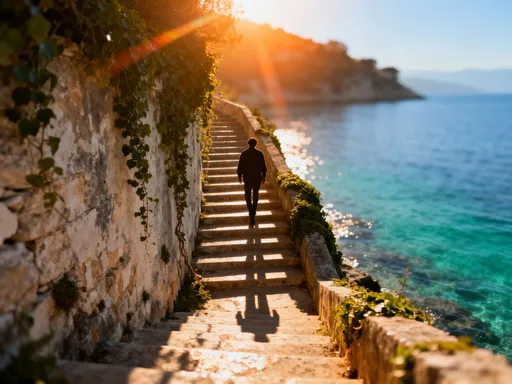
Along Corfu’s coastline, functional infrastructure often doubles as stunning photographic scenery. Stone staircases descending to the sea, weathered fishing docks, and quiet harbor benches provide unfiltered access to the island’s maritime soul. These are not designed for tourism—they serve fishermen, delivery workers, and local swimmers—but their raw authenticity makes them invaluable for photography. The combination of turquoise water, sun-bleached wood, and rusted metal creates a palette of blues, greens, and ochres that feels both timeless and immediate. Reflections on wet stones or calm water add symmetry and depth, while the texture of salt-crusted railings and barnacle-covered pilings introduces tactile realism to images.
One of the most photogenic spots is the series of seaside steps near Pounta, where a zigzagging stone staircase leads down to a pebble beach and moored boats. In the early morning, before swimmers arrive, the steps are empty, their edges softened by sea mist. The contrast between the rigid geometry of the stonework and the fluid curves of the waves creates a compelling visual tension. A polarizing filter helps reduce glare on wet surfaces, allowing for clearer detail in shadows and brighter blues in the water. Low angles—shooting from the bottom step upward—emphasize perspective and height, turning the staircase into a leading line that draws the eye toward the sky.
Harbor corners, particularly in quieter areas like Garitsa Bay or Kontokali, offer intimate views of working waterfronts. Here, small fishing boats bob gently beside concrete quays, nets hang to dry, and buoys clink in the current. These scenes are rich with narrative potential: a man repairing a hull, a gull perched on a cleat, or a child watching fish from the edge. The key is to arrive early—between 6:00 and 8:00 a.m.—when activity is low but light is optimal. Overcast days can actually enhance mood, diffusing light evenly and minimizing harsh highlights, making them ideal for documentary-style photography.
Because these areas are operational, safety and respect must guide every shot. Never block walkways or interfere with work. Keep equipment compact and avoid large tripods in narrow spaces. A mirrorless camera with a compact zoom lens (e.g., 24–70mm) offers versatility without intrusion. By approaching these spaces with humility and awareness, photographers gain not only powerful images but also a deeper appreciation for the quiet labor that sustains coastal life.
Market Days: Culture in Full Color and Motion
Every Thursday and Saturday, Corfu Town’s central square transforms into a bustling open-air market, turning public space into a sensory explosion of color, sound, and movement. Stalls overflow with fresh produce—plump tomatoes, glistening olives, fragrant herbs, and golden lemons—arranged in artful heaps that resemble still-life paintings. Vendors call out prices, customers haggle playfully, and the scent of grilled cheese and ripe figs fills the air. For photographers, this is a golden opportunity to capture culture in motion, where commerce, tradition, and community intersect in vibrant harmony.
The market’s visual appeal lies in its density and variety. A single frame can include textured baskets, handwritten price signs, wrinkled hands exchanging coins, and sun-protected faces beneath wide hats. To avoid chaotic compositions, photographers should use a mid-range lens (35mm to 50mm) that balances environmental context with subject clarity. Shooting from slightly elevated positions—such as nearby café balconies or steps—helps organize the scene, revealing patterns in stall arrangements and foot traffic. Selective focus can isolate a single element, like a vendor’s hands weighing oranges, while keeping the background softly blurred yet recognizable.
Timing is again critical. The market peaks between 9:00 and 11:00 a.m., when stalls are fully stocked and foot traffic is high. Arriving earlier allows for cleaner shots of setup processes—unfolding tables, hanging awnings, arranging crates—while later hours offer richer human interactions. Natural light is strongest overhead, so diffused conditions on slightly overcast days prevent harsh contrasts on colorful displays. A reflector or small LED fill light can help lift shadows on faces without appearing intrusive.
Authenticity is the goal, so staged photos should be avoided. Instead, observe and wait for genuine moments—a grandmother testing melons, a child reaching for a grape, a vendor laughing with a regular customer. These fleeting instances carry emotional weight and cultural truth. By preserving them respectfully, photographers contribute to a visual archive of living traditions, ensuring that the rhythm of Corfu’s market life endures beyond the day’s closing bell.
Photographing People with Respect: Ethics in Public Spaces
While public spaces invite photography, they also demand ethical awareness—especially when people are in the frame. Corfu’s residents go about their daily lives with dignity and routine, and photographers must honor that privacy. The island’s warmth and openness should not be mistaken for permission to photograph without consideration. Ethical photography is not about avoiding people altogether, but about engaging thoughtfully, capturing moments with empathy rather than exploitation. The best images often arise from connection, not intrusion—when a smile is exchanged, a nod is returned, or a story is shared.
One effective technique is the “wait and see” approach. Instead of raising the camera immediately, spend time in a location, observing patterns and rhythms. When a compelling scene unfolds—a fisherman coiling rope, a woman arranging flowers—wait for a natural pause or repetition. This increases the chance of capturing a genuine expression without startling the subject. Using a quieter shutter mode or mirrorless camera reduces noise, minimizing disruption. If the subject notices and makes eye contact, a smile or polite gesture can establish goodwill. In many cases, this silent exchange is enough to convey respect.
When photographing children or individuals in vulnerable situations (e.g., sleeping, eating alone), extra caution is required. Whenever possible, ask for permission—especially if the image will be used publicly. A simple hand gesture toward the camera, followed by a questioning look, often suffices. Most locals respond positively to kindness and humility. If someone declines, accept it gracefully and move on. Remember, no photograph is worth compromising someone’s comfort.
Ultimately, ethical photography enhances the value of the image. A portrait taken with consent carries more emotional resonance than one stolen from afar. It reflects not just what was seen, but how it was witnessed. By approaching public spaces with curiosity, patience, and respect, photographers align their craft with the spirit of Corfu itself—open, graceful, and deeply human.
Corfu’s true visual magic isn’t confined to tourist hotspots—it pulses through its public spaces, where life unfolds naturally and beauty hides in plain sight. By exploring these areas with curiosity and respect, photographers don’t just take pictures; they preserve stories. Whether you're using a DSLR or a phone, the island invites you to see differently, shoot thoughtfully, and fall in love with the ordinary made extraordinary. These hidden photo spots are not just locations on a map—they are invitations to witness the quiet poetry of daily life, to frame the uncelebrated, and to carry home not just images, but memories etched in light and time. In Corfu, every corner holds a story waiting to be seen.