You Won’t Believe What We Almost Missed in Nicosia
Nicosia isn’t just a city of streets and souks—hidden beyond its walls are natural wonders most tourists walk right past. I almost skipped them too, chasing cafés and history instead. But a local friend pointed me toward green valleys, secret river trails, and orchards blooming in spring. What I found wasn’t just beautiful—it was transformative. This is not your typical Mediterranean escape. If you're coming for culture and leaving without seeing these wild spots, you’re only getting half the story. Let me show you the side of Cyprus no one talks about.
The Urban Mirage – Why Most Visitors Miss Nicosia’s Natural Side
Nicosia is often introduced as a city divided, a place where history echoes through ancient walls and political lines. Travel brochures highlight the Old City, the Venetian walls, and the Green Line—the buffer zone managed by the United Nations. These are undeniably significant, and for good reason. They speak to centuries of layered identity, resilience, and cultural preservation. Yet this very focus creates an unintentional bias: the assumption that Nicosia is only about politics and stone. Most visitors arrive with itineraries packed with museums, churches, and checkpoint visits, leaving little room for the idea that nature could be just as integral to the city’s soul.
This mental framing acts like a filter, causing travelers to overlook the living landscape that cradles the capital. The irony is that Nicosia is one of the few capital cities in the world that sits at the heart of a vast agricultural plain while being surrounded by mountain ranges. It is inherently connected to the land. Yet because its natural offerings are not monumental or curated like museums, they are easily dismissed. They don’t appear on standard city maps, rarely feature in top-ten lists, and are seldom promoted with the same vigor as historical sites. As a result, the green pulse of Nicosia remains invisible to many who come seeking authenticity.
The truth is, nature in Nicosia doesn’t announce itself with fanfare. It doesn’t require tickets or opening hours. Instead, it reveals itself quietly—through the scent of wild thyme on a breeze, the sudden chorus of birds near a dry riverbed, or the sight of almond blossoms drifting like snow over a hillside. These moments are not rare; they are routine for those who know where to look. The challenge lies in shifting perspective. Once travelers begin to see Nicosia not just as a political symbol but as a city embedded in a living ecosystem, the possibilities expand. The city becomes more than a checkpoint—it becomes a gateway.
From Stone to Soil – The Green Pulse Just Beyond the City
Just ten minutes from the bustling center of Nicosia, the rhythm of the city begins to soften. The hum of traffic fades, replaced by the rustle of tamarisk bushes and the occasional call of a hoopoe or kestrel. This transition is most evident along the course of the Pedieos River, the longest river in Cyprus, which flows through the heart of the capital before vanishing into the Mesaoria plain. While much of the riverbed appears dry for much of the year, especially in summer, it is far from lifeless. Following its path upstream reveals a hidden corridor of green—a ribbon of resilience running parallel to urban development.
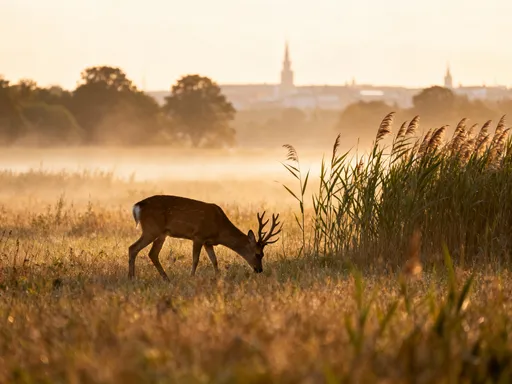
The upper stretches of the Pedieos, particularly near the neighborhoods of Strovolos and Agios Dometios, support a surprising variety of plant and animal life. Native reeds, tamarisks, and oleander grow along its banks, providing shelter for lizards, frogs, and migratory birds. In the cooler months, when seasonal rains fill the river’s tributaries, the area becomes a temporary wetland, attracting herons, warblers, and even kingfishers. These micro-habitats are not large, but they are vital—acting as ecological stepping stones that allow species to move between larger natural areas.
What makes this green pulse accessible is its proximity. Visitors don’t need to rent a car or plan a full-day excursion. A simple walk along the pedestrian paths that follow the river’s edge offers a refreshing contrast to the density of the city. Early morning or late afternoon is ideal, when the heat of the day has lifted and the light turns golden. Benches, shaded rest areas, and informational signs have been added in recent years, reflecting a growing recognition of the river’s value. Local families often come here to stroll, children to play, and dog walkers to enjoy open space. It’s not a wilderness, but it is wild enough to remind you that nature persists—even in the most unexpected places.
Trekking the Mesaoria’s Hidden Valleys
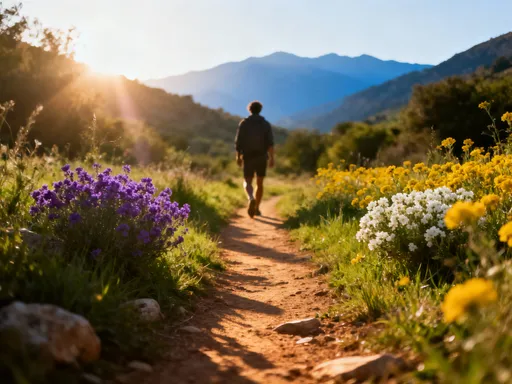
North of Nicosia, the flat expanse of the Mesaoria plain stretches toward the Kyrenia Mountains. At first glance, it may seem barren—sunbaked earth and scattered fields under a wide Mediterranean sky. But look closer, and the landscape tells a different story. The plain is not entirely flat; it is gently folded, with low ridges and shallow valleys that create pockets of shelter and moisture. These subtle landforms support a surprising diversity of life, especially in the cooler months. From February to April, the hillsides blush with the pink and white blooms of almond and peach trees, while wild herbs like oregano, mint, and sage carpet the ground.
These areas offer some of the most accessible and rewarding low-effort hikes in the region. Trails near villages such as Athienou and Dhali are well-marked and maintained, often following ancient footpaths used for centuries by farmers and shepherds. The terrain is gentle, making it suitable for all ages and fitness levels. A two-hour loop walk can take you through orchards, past stone farmhouses, and into open fields where larks sing overhead and tortoises move slowly through the grass. In spring, the ground is dotted with wildflowers—cyclamen, anemones, and the rare Cyprus tulip—each blooming in its own time.
Timing is crucial when exploring the Mesaoria. Summer heat can be intense, with temperatures regularly exceeding 38°C (100°F). Hiking during midday is not advisable. Instead, early morning walks allow you to enjoy cooler temperatures and the best light for photography. Bring plenty of water, wear a hat, and choose breathable clothing. Even in summer, however, the land has its rewards—ripe figs and pomegranates often hang within reach, and roadside stands sell fresh fruit and local honey. These valleys are not untouched wilderness, but they are a testament to how agriculture and nature can coexist in harmony.
The Forbidden Forests? Exploring the Buffer Zone’s Wild Rebirth
One of the most unexpected natural sanctuaries in Nicosia lies within the United Nations Buffer Zone—a strip of land that cuts through the city, separating the southern and northern parts. Established in 1964 and maintained ever since, this zone was never intended as a nature reserve. Yet because no construction or agriculture is permitted, it has become one by accident. Decades of human absence have allowed native vegetation to reclaim the land. Carob trees, olive saplings, and wild asparagus now grow where buildings once stood. Birds, reptiles, and small mammals have returned, finding refuge in this unintended sanctuary.
Access to the buffer zone is strictly controlled for safety and political reasons. Visitors cannot enter freely. However, authorized guided tours are available through organizations such as the United Nations Peacekeeping Force in Cyprus (UNFICYP) and local environmental groups. These tours provide rare opportunities to walk through sections of the zone, accompanied by trained guides who explain both the ecological and historical significance of the area. Participants often describe the experience as surreal—standing in the middle of a capital city, yet surrounded by silence and greenery, with crumbling walls and old signs serving as quiet reminders of the past.
What makes these tours particularly valuable is the chance to see how nature responds when left undisturbed. Without mowing, plowing, or pruning, plants grow in their natural patterns. Invasive species are monitored, but native flora are allowed to thrive. The result is a landscape that feels both wild and fragile. Guides emphasize respect and restraint—no picking plants, no straying from paths, no littering. These rules are not just about preservation; they are about honoring the delicate balance that has formed in a place shaped by conflict but now defined by quiet renewal.
Seasonal Secrets – When Nature in Nicosia Comes Alive
The natural rhythm of Nicosia is dictated by the Mediterranean climate—hot, dry summers and mild, wet winters. This cycle shapes everything from plant life to human activity. To experience the full richness of the region’s nature, timing is essential. Each season brings its own palette of colors, scents, and sounds. Spring, from late February to early May, is arguably the most vibrant. This is when the countryside explodes with life. Almond trees bloom first, followed by citrus, carob, and olive blossoms. Wildflowers carpet the hillsides, and the air carries the sweet fragrance of jasmine and thyme.
March and April are ideal for hiking, with daytime temperatures ranging from 18°C to 24°C (65°F to 75°F). This is also the peak season for birdwatching, as migratory species pass through Cyprus on their way between Africa and Europe. Look for bee-eaters, swallows, and raptors soaring on thermal currents. By May, the wildflowers begin to fade, and the grass turns golden. Summer, while hot, has its own beauty. Early mornings reveal dew-covered spiderwebs and the soft calls of resident birds. The fruit harvest begins—apricots, figs, and melons ripen under the sun, and roadside stands overflow with fresh produce.
Autumn, from September to November, brings a second wave of green. After the first rains, the land softens. Grass sprouts in fields, and trees regain their vigor. Olive harvesting starts in October, a tradition that brings families and communities together. Winter, though mild, is the quietest season. Rainfall replenishes reservoirs, and the countryside takes on a subdued, reflective mood. Cypress and pine forests smell richest after a rain, and mist often drapes the foothills. For those who appreciate subtlety, winter offers a chance to see Nicosia’s landscape in its most introspective state.
Local Wisdom – How Residents Enjoy Nature Without Fanfare
Cypriots have a deep, quiet relationship with the land—one that is often overlooked by visitors. They may not use terms like “ecotourism” or “sustainable travel,” but their daily habits reflect a profound connection to nature. Families gather on weekends to visit reservoirs like Kouris Dam or the Kokkinos River, where children splash in shallow pools and adults picnic under shady trees. These outings are not about ticking off attractions; they are about slowing down, sharing food, and breathing in the open air.
Foraging is another tradition that remains alive, especially among older generations. In spring, locals head to the hills to collect horta—wild greens such as mallow, dandelion, and amaranth. These are boiled or sautéed and served with olive oil and lemon, a simple dish with deep roots in Cypriot cuisine. It’s not just about food; it’s about knowing the land, recognizing which plants are safe, and respecting their cycles. Children learn by walking with grandparents, who point out edible herbs and medicinal plants along the way.
Roadside fruit stands are another expression of this connection. Farmers sell figs, grapes, and pomegranates directly from their orchards, often leaving baskets unattended with a honesty box for payment. These small acts reflect trust, simplicity, and a belief that nature’s gifts should be shared. For visitors, participating in these quiet rituals—buying fruit from a roadside stand, joining a family picnic area, or simply sitting under a carob tree with a book—can be one of the most authentic ways to experience Cyprus. It’s not about spectacle; it’s about presence.
Putting It Together – Building a Balanced Nicosia Itinerary
A truly fulfilling visit to Nicosia balances culture with nature. Rather than choosing one over the other, the best itineraries weave them together. Imagine starting your morning in the Old City, exploring the Byzantine Museum and walking the Venetian walls. By midday, as the sun climbs, you retreat to a quieter rhythm—driving or biking to the upper Pedieos River trail for a two-hour walk under the shade of tamarisks. Pack a light lunch of local cheese, bread, and fruit, and eat by the water’s edge. In the late afternoon, visit a village market or stop at a roadside stand to buy fresh produce.
On your second day, consider a guided tour of the buffer zone in the morning, followed by a visit to a working olive grove in the afternoon. Many farms offer tours that include harvesting demonstrations and tastings of fresh olive oil. These experiences connect you to the land while supporting local agriculture. If you’re staying longer, dedicate a full day to the Mesaoria valleys. Begin early, bring water and sunscreen, and allow time to wander without a strict schedule. Let the landscape guide you.
Transport options vary. Public buses serve many outer neighborhoods and nearby villages, though schedules can be limited. Renting a bicycle is ideal for short trips along the river or to nearby parks. For more remote areas, a rental car offers flexibility. Whichever option you choose, always travel with respect. Stick to marked trails, avoid disturbing wildlife, and carry out all trash. Many of these natural spaces are fragile, shaped by both climate and human history. By treading lightly, you help ensure they remain for future visitors.
The goal is not to see everything, but to see deeply. A single valley walk, a quiet picnic, or a moment watching the sunset over an olive grove can leave a lasting impression. These experiences don’t require grand gestures—they ask only for attention and appreciation.
Conclusion
Nicosia’s true magic lies not just in its past, but in the living, breathing landscapes that surround it. These natural wonders don’t shout for attention—they wait quietly. By avoiding the pitfall of seeing only the city, we open ourselves to a fuller, richer Cyprus. The land remembers what walls forget. It holds stories in its soil, resilience in its roots, and beauty in its quiet corners. To visit Nicosia and miss its wild side is to hear only half a song. But when we take the time to step beyond the stone, to follow the river, to walk the hidden valleys, we discover a different rhythm—one that pulses with life, season after season. This is the Cyprus that endures. This is the Cyprus worth knowing.