You Won’t Believe These Hidden Districts in San Miguel de Allende
San Miguel de Allende isn’t just postcard-perfect streets and pink churches—it’s a city of secret layers. I wandered beyond the tourist trails and discovered districts humming with local life, art, and unexpected charm. Each neighborhood tells a different story, from colonial elegance to bohemian grit. If you think you know this Mexican gem, think again. What makes these districts go viral isn’t just beauty—it’s authenticity. Let’s dive into the soul of the city, one barrio at a time.
The Heartbeat of Centro Histórico
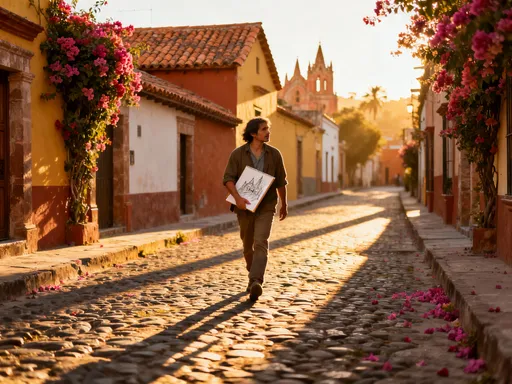
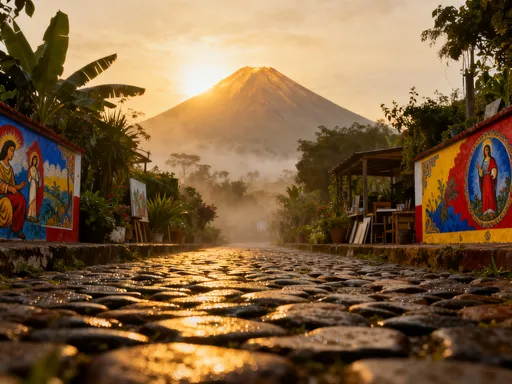
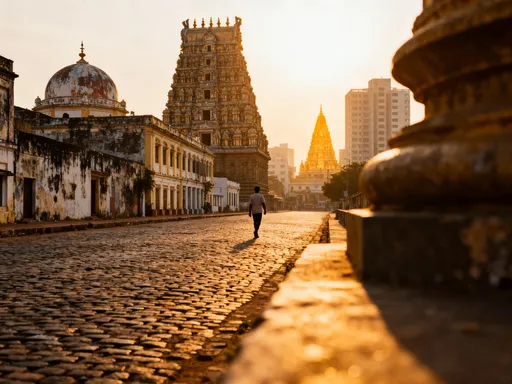
The Centro Histórico of San Miguel de Allende is more than a tourist destination—it is the city’s enduring pulse. Designated a UNESCO World Heritage Site in 2008, this district preserves over five centuries of architectural evolution, from 16th-century religious structures to elegant 18th-century mansions with wrought-iron balconies and cantera stone facades. The heart of this zone is Jardín Allende, a tree-lined plaza that functions as both a gathering space and a cultural stage. Here, the rhythm of daily life unfolds: families stroll in the early evening, mariachi bands serenade couples, and children chase pigeons between the flower beds. The surrounding streets, paved with smooth river stones, wind like ribbons through clusters of shops, galleries, and cafes, each contributing to a sensory tapestry of color, scent, and sound.
What makes Centro Histórico so magnetic is not only its visual appeal but its accessibility and pedestrian-friendly design. Cars are restricted in most areas, allowing visitors to move freely and safely on foot. This intentional urban planning fosters a sense of intimacy and connection, encouraging spontaneous interactions and unhurried exploration. The Parroquia de San Miguel Arcángel, with its neo-Gothic pink spires, stands as the district’s most photographed landmark, yet it is far from the only spiritual anchor. Smaller chapels, such as La Santa Cruz, host quiet masses and community rituals, offering glimpses into the city’s enduring Catholic traditions. The bells from these churches mark the hours, creating a comforting cadence that weaves through the day.
Beyond architecture and religion, Centro Histórico thrives on its cultural calendar. Events like the Festival de Santiago, the Cervantino Festival satellite programs, and weekly art walks transform the streets into living galleries and performance spaces. Local artisans set up stalls in the plazas, selling hand-painted ceramics, embroidered textiles, and silver jewelry—many pieces passed down through generations. These traditions are not staged for tourists; they are deeply rooted in community life. For a visitor, walking through Centro Histórico is not merely sightseeing—it is immersion. It is the place where first-time travelers form their initial impression and where return visitors rediscover something new with every step.
El Nigromante: Where Art Meets Altitude
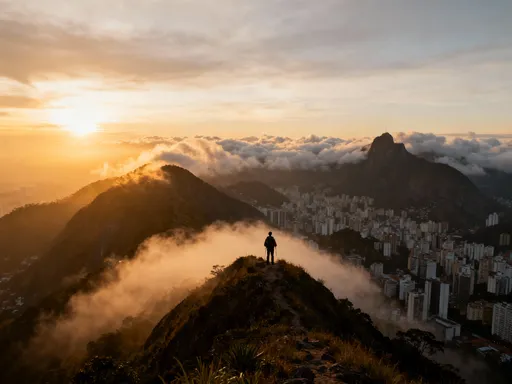
Rising above the city’s golden rooftops, El Nigromante is a neighborhood where creativity ascends with the elevation. Located on the western hillsides, this district offers sweeping views of San Miguel’s skyline and the surrounding highlands. Originally a quiet residential area, El Nigromante has evolved into a haven for artists, writers, and designers drawn to its tranquil atmosphere and inspiring vistas. The name, which translates to “The Necromancer,” hints at its mystical past, once associated with spiritualists and esoteric practices. Today, that aura of mystery lingers in the form of hidden art installations, sculpture gardens, and studios tucked behind ivy-covered walls.
Walking through El Nigromante feels like stepping into an open-air museum. Murals grace the sides of homes, and metal sculptures emerge from gardens like silent sentinels. Local and expatriate artists have transformed the district into a collaborative canvas, where public art is not an afterthought but a core part of daily life. Galleries such as Galería Atelier and Espacio 500 showcase contemporary works ranging from abstract painting to conceptual photography. Many of these spaces double as artist residences, allowing visitors to engage directly with creators during open studio events. The sense of intimacy and authenticity is palpable—there are no commercial galleries pushing mass-produced souvenirs here, only original works born from personal vision.
Cafés and small restaurants in El Nigromante reflect the same artistic sensibility. Places like Café Nigromante and La Mesón offer organic coffee, fresh pastries, and light meals in settings designed with aesthetic care—think exposed brick, hand-thrown tableware, and curated music playlists. These spaces attract both locals and in-the-know visitors who appreciate a slower pace and thoughtful design. The district’s elevation also makes it ideal for early morning walks or sunset contemplation, with trails winding through cactus-strewn paths and native agave fields. For those seeking inspiration or a quiet retreat from the city’s energy, El Nigromante offers a rare blend of beauty, creativity, and serenity.
Guadalupe: A Fusion of Faith and Innovation
Just north of the historic center lies Guadalupe, a neighborhood that embodies the dynamic interplay between tradition and transformation. At its core stands the Templo de Nuestra Señora de Guadalupe, a striking modern church completed in 1974, known for its massive stained-glass dome and bold geometric design. Unlike the ornate colonial churches of the center, Guadalupe’s temple reflects mid-century architectural ambition, drawing both worshippers and architecture enthusiasts. But the neighborhood’s true innovation lies in La Tecnica, a vibrant cultural center housed in a repurposed textile factory. Once a hub of industrial labor, the building now hosts art exhibitions, dance performances, film screenings, and educational workshops, serving as a beacon of urban renewal.
La Tecnica exemplifies how adaptive reuse can breathe new life into forgotten spaces. The original brick walls and timber beams remain, blending industrial heritage with contemporary function. Local artists and collectives use the studios to create and collaborate, while visiting international artists contribute to a dynamic exchange of ideas. The center also runs programs for youth and seniors, fostering intergenerational connection through music, theater, and digital arts. On weekends, the surrounding plaza becomes a lively marketplace where artisans sell handmade goods, organic produce, and traditional foods. This weekly market is more than a shopping destination—it is a social ritual, a place where neighbors reconnect and visitors are welcomed into the fabric of community life.
Guadalupe also holds spiritual significance beyond its modern temple. Smaller chapels and home altars dot the neighborhood, reflecting the deep-rooted Catholic faith of its residents. Pilgrims visit during religious festivals, especially around December 12th, the feast day of Our Lady of Guadalupe. Yet, the neighborhood does not resist change; instead, it integrates it. Wellness centers, yoga studios, and eco-conscious boutiques have opened alongside family-run bakeries and hardware stores. This coexistence of old and new creates a layered identity—one that honors the past while embracing the future. For travelers, Guadalupe offers a rare opportunity to witness cultural evolution in real time, where faith, art, and innovation walk hand in hand.
Canales: The Local’s Escape
West of the bustling center, Canales unfolds like a quiet sigh of relief. This residential district, named after the irrigation channels that once fed surrounding farmland, is a sanctuary for families, nature lovers, and those seeking respite from urban energy. Tree-lined avenues, well-kept gardens, and single-family homes with flowering courtyards define its character. Unlike the dense, historic core, Canales offers space—both physical and psychological. Children ride bikes on safe sidewalks, dogs trot beside their owners on morning walks, and neighbors greet each other by name. It is a place where life moves at a human pace, where the emphasis is on well-being rather than spectacle.
One of Canales’ most cherished features is its access to nature. The Parque Metropolitano, a large green space on the city’s edge, provides walking and cycling trails that wind through oak and pine forests. Residents flock here for morning jogs, weekend picnics, and birdwatching. The park also hosts community events, from outdoor yoga classes to environmental education programs for children. Nearby, small organic farms supply fresh vegetables, eggs, and honey to local markets, reinforcing a culture of sustainability and self-reliance. For visitors, a walk through Canales offers a glimpse into the everyday life of San Miguel’s long-term residents—a perspective often missing from tourist guides.
While Canales is not a destination for nightlife or shopping, it does have its own quiet charm. Small family-run eateries serve regional dishes like enchiladas mineras and pozole rojo, prepared with recipes passed down through generations. Local bakeries offer pan dulce and conchas early each morning, filling the air with the scent of warm sugar and cinnamon. There are no souvenir stalls or crowded plazas here, only the rhythms of daily living. For travelers willing to venture beyond the postcard image, Canales reveals a different kind of beauty—one rooted in simplicity, community, and connection to the land. It is a reminder that cities are not just monuments and museums, but living, breathing ecosystems shaped by the people who call them home.
La Granada: Old Money, New Cool
Just south of Jardín Allende, La Granada stands as a testament to elegant preservation and thoughtful reinvention. Once the enclave of wealthy families during the colonial and post-independence eras, this district is lined with grand mansions featuring ornate doorways, interior courtyards, and hand-carved wooden doors. Many of these homes have been carefully restored and repurposed as boutique hotels, private art galleries, and exclusive dining spaces. The transformation has brought new energy to the neighborhood, attracting design-conscious travelers, digital nomads, and cultural patrons who appreciate both history and modern comfort.
Walking through La Granada feels like moving through a curated lifestyle magazine. Hidden behind unassuming doors are lush interior gardens, rooftop terraces with panoramic views, and minimalist interiors that blend Mexican craftsmanship with contemporary design. Establishments like Hotel Matilda and Casa Nostra exemplify this fusion—offering luxury accommodations without sacrificing authenticity. Dining spots such as Nu’s and Mercado Ignacio showcase elevated interpretations of Mexican cuisine, using locally sourced ingredients and innovative techniques. Wine bars and craft cocktail lounges have also emerged, catering to a sophisticated palate. Yet, despite its growing popularity, La Granada maintains a sense of discretion and calm, avoiding the overt commercialism found in other tourist zones.
This balance between preservation and progress is not without challenges. As property values rise, questions about gentrification and cultural displacement emerge. Longtime residents face pressure from rising rents, and some traditional businesses struggle to survive. However, community initiatives and heritage preservation groups are working to ensure that development respects the neighborhood’s character. Walking tours led by local historians emphasize the stories behind the facades, connecting visitors to the people who shaped the district. Art walks and open courtyard events invite the public into private spaces, fostering dialogue and appreciation. In La Granada, the past is not erased—it is reimagined, offering a model of urban evolution that honors legacy while embracing change.
San Antonio: Culture at the Edge
On the southern outskirts of San Miguel de Allende, the San Antonio neighborhood represents the city’s forward-looking spirit. Once considered a peripheral zone, it has gained prominence thanks to the San Antonio Cultural Center, a modern facility that hosts rotating art exhibitions, music performances, dance recitals, and community workshops. Designed with clean lines and expansive glass walls, the center contrasts with the city’s colonial aesthetic, signaling a commitment to contemporary expression. It serves as a hub for both local artists and visiting creatives, offering studio space, residency programs, and public engagement opportunities.
The cultural programming at San Antonio is intentionally inclusive. Exhibits often feature works by emerging Mexican artists, with themes ranging from environmental justice to personal identity. Performances include traditional folk music alongside experimental theater, reflecting the city’s diverse cultural currents. Educational initiatives target youth from underserved communities, providing access to music lessons, digital art training, and creative writing workshops. These efforts not only nurture talent but strengthen civic pride and social cohesion. For residents of the neighborhood, the center has become a source of local identity—a place where they see their stories reflected and their voices amplified.
Infrastructure improvements have accompanied this cultural investment. New sidewalks, lighting, and public seating make the area more accessible and inviting. Bike lanes connect San Antonio to other parts of the city, encouraging sustainable transportation. Local entrepreneurs have opened cafés, bookstores, and craft shops, creating a modest but growing commercial corridor. While still quieter than the historic center, San Antonio is steadily gaining recognition as a destination for authentic cultural exchange. For visitors, it offers a rare opportunity to experience art not as a commodity but as a living, community-driven practice. It is a reminder that culture does not reside only in the past—it is being created every day, on the edges as much as in the center.
Navigating the Barrios: Practical Insights
Exploring San Miguel de Allende’s diverse districts requires both curiosity and consideration. The city is compact enough to navigate on foot, especially in the Centro Histórico, where most major attractions are within a 20-minute walk. Comfortable shoes are essential, as the cobblestone streets can be uneven and steep in places. For neighborhoods like El Nigromante and San Antonio, which sit on higher ground, walking may be challenging for some. In these cases, local taxis and ride-sharing services offer reliable and affordable transportation. Many visitors also rent bicycles, taking advantage of the city’s growing network of bike-friendly routes. Public buses connect outer neighborhoods to the center, though schedules can be irregular and signage is primarily in Spanish.
The best times to visit vary by district. Centro Histórico is most vibrant in the late afternoon and evening, when temperatures cool and the plazas come alive with music and activity. Early mornings are ideal for photography and quiet reflection, with soft light illuminating the pink stone buildings. El Nigromante and Canales are best experienced in the morning or late afternoon, when the sun casts long shadows and the air is fresh. Guadalupe’s weekly market takes place on weekends, making Saturday an excellent day to experience local commerce and cuisine. La Granada’s boutique spaces and restaurants are open throughout the day, though reservations are recommended for popular dining spots.
Respectful engagement enhances the travel experience. Learning a few basic Spanish phrases—such as “buenos días,” “gracias,” and “¿dónde está…?”—goes a long way in building rapport with locals. When visiting homes, studios, or community events, always ask permission before taking photographs. Support local businesses by purchasing handmade goods, dining at family-run restaurants, and hiring local guides. Avoid single-use plastics and carry a reusable water bottle, as many hotels and public spaces offer filtered water stations. Finally, remember that San Miguel is a living city, not a museum. Its beauty lies not just in its architecture but in the daily lives of its residents. By moving through the barrios with mindfulness and humility, visitors contribute to a more sustainable and meaningful form of tourism.
San Miguel de Allende’s magic lies not in one place, but in the mosaic of its districts. Each barrio contributes a unique thread to the city’s evolving identity—heritage, creativity, community, and contrast. By stepping beyond the postcard, travelers gain richer, more meaningful experiences. The real journey isn’t just about seeing, but understanding how places live, change, and inspire.